Strait of Hormuz Blockade Exposes Taiwan's Energy Security Risks
United Daily News Commentary, March 3, 2026
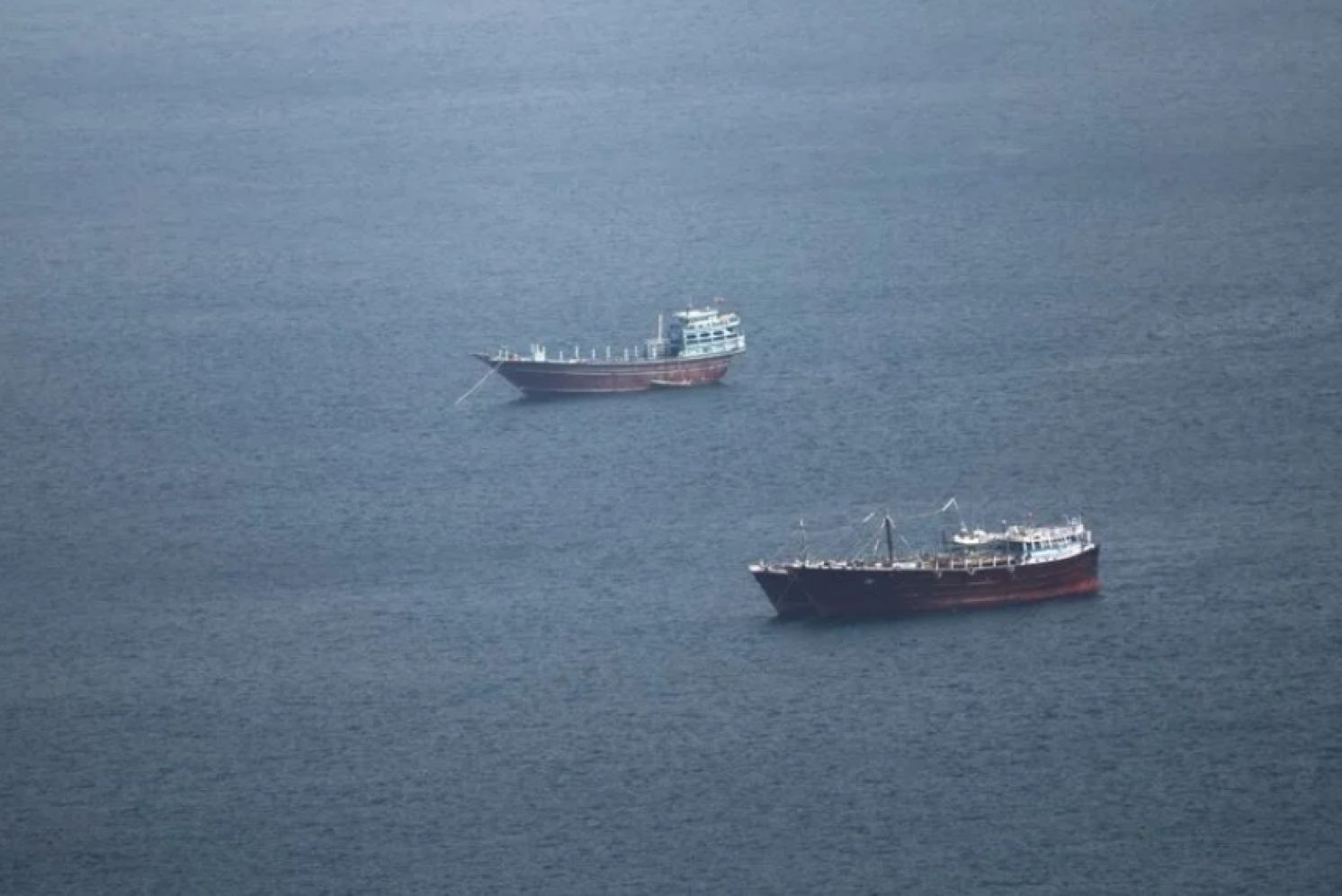
The shadow of a U.S.–Iran war looms large. As the Strait of Hormuz—one of the world’s most critical energy shipping lanes—approaches near blockade, the consequences are profound. Carrying roughly one-fifth of the world’s crude oil and liquefied natural gas (LNG) shipments each day, this lifeline, if cut off, would not be a distant conflict for Taiwan thousands of miles away, but a direct survival challenge tied to national security.
Taiwan’s energy structure is heavily dependent on the Middle East. About 60 percent of its oil and one-third of its natural gas pass through the Strait of Hormuz. Saudi Arabia is Taiwan’s largest oil supplier, while Qatar provides roughly one-quarter of its LNG imports. Estimates from the Taiwan Institute of Economic Research (TIER) indicate that oil reserves could sustain Taiwan for about 120 days. However, the most critical fuel for power generation—natural gas—has a legally mandated reserve of only about 11 days. According to the latest regulations and announcements from the Ministry of Economic Affairs, the current statutory LNG safety reserve remains around 11 days. Although the government plans to increase this to 14 days by 2027, such a short buffer during rising geopolitical tensions leaves Taiwan extremely vulnerable.
Whether the reserve stands at 11 or 14 days, this may be manageable in peacetime, but during war or shipping disruptions, natural gas could become unavailable regardless of price—or simply unable to be delivered. This poses a high risk of energy supply interruption for Taiwan. CPC Corporation has proposed a “three-phase plan” and intends to increase LNG purchases from the United States, partly to balance the Taiwan–U.S. trade deficit and appease the Trump administration. However, in sudden conflicts, distant supplies often cannot resolve immediate shortages.
While officials assure the public that “gas supplies will not be cut,” Minister of Economic Affairs Kung Ming-hsin has acknowledged that March should be manageable, and contingency measures may still exist if the conflict extends into April, with full activation of coal-fired power generation as the final option. This statement effectively admits that if natural gas supplies are disrupted, the government’s only fallback would be increased coal use—sacrificing public health with higher pollution to fill the power gap left by policy decisions.
Taiwan’s vulnerability in energy security stems from a deeply imbalanced energy structure. Under the push for the “nuclear-free homeland” policy, natural gas now accounts for about 50 percent of power generation, coal roughly 30 percent, renewable energy about 10 to 15 percent, and nuclear power has been reduced to below 3 percent. Even as the nuclear-free policy shows signs of adjustment and the plan to restart Nuclear Power Plant No. 3 has been preliminarily completed and scheduled to be submitted to the Nuclear Safety Commission by the end of March, the earliest realistic restart—if procedures proceed smoothly—would still be around 2028.
Taiwan’s semiconductor industry plays a pivotal role in the global supply chain, and wafer fabrication relies heavily on stable power supply and voltage quality. If energy supplies tighten due to geopolitical factors, then the consequences would extend beyond domestic electricity shortages, potentially disrupting the global technology supply chain with immeasurable political and economic repercussions.
The rapidly changing international environment—from the Russia–Ukraine war to the Strait of Hormuz crisis—demonstrates that geopolitical risks are increasing rather than diminishing. Energy diversification should not remain a slogan, and energy policy should not be treated as an ideological gamble. The conflict in the Middle East is a reminder that Taiwan needs resilience capable of withstanding storms—not a fragile margin of only eleven days.